PRIVATE PILOT LICENSE
So, you want to get your private pilot license?
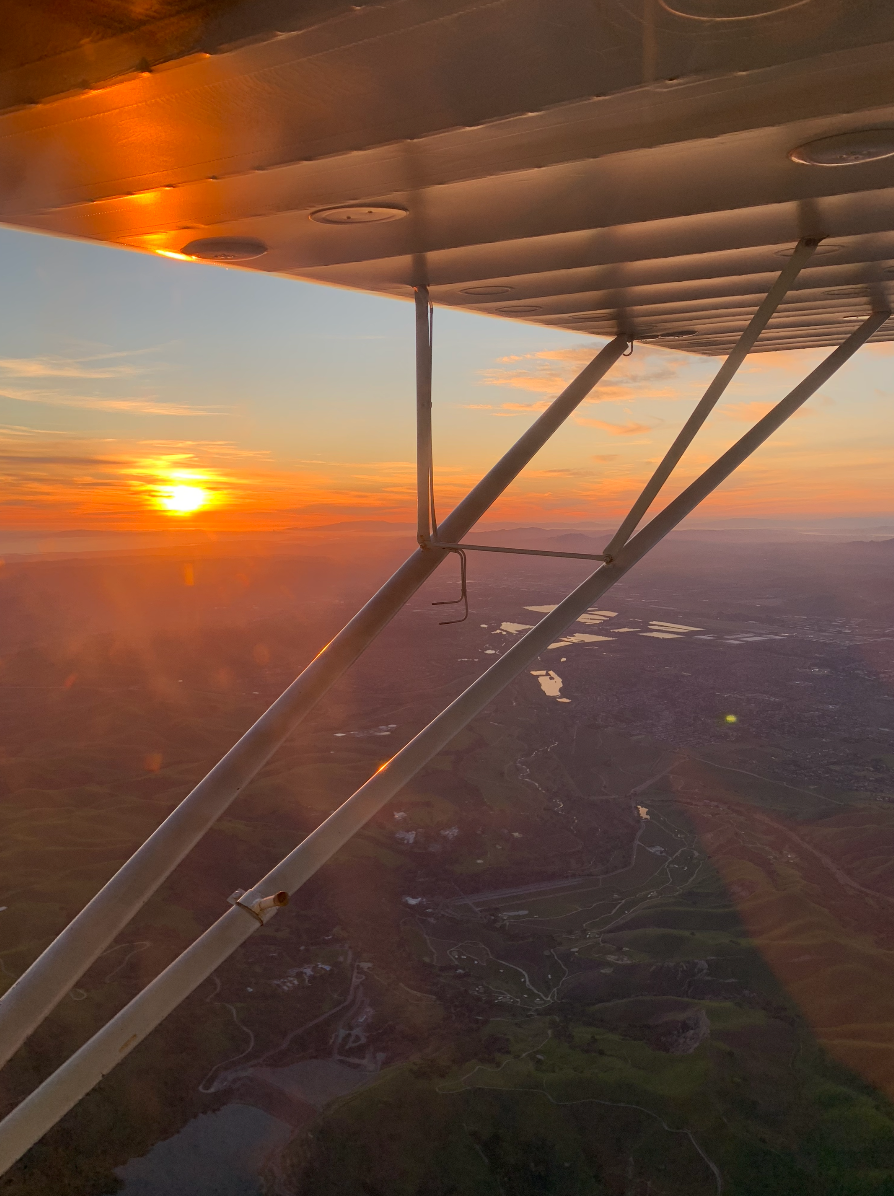
You’re in good company! Most people begin their flight training with the goal of earning their Private Pilot Certificate. As a Private Pilot, you can fly most single-engine airplanes, day or night. You can carry family, friends, pets, or baggage while you fly to exciting destinations and share the joy of private air travel.
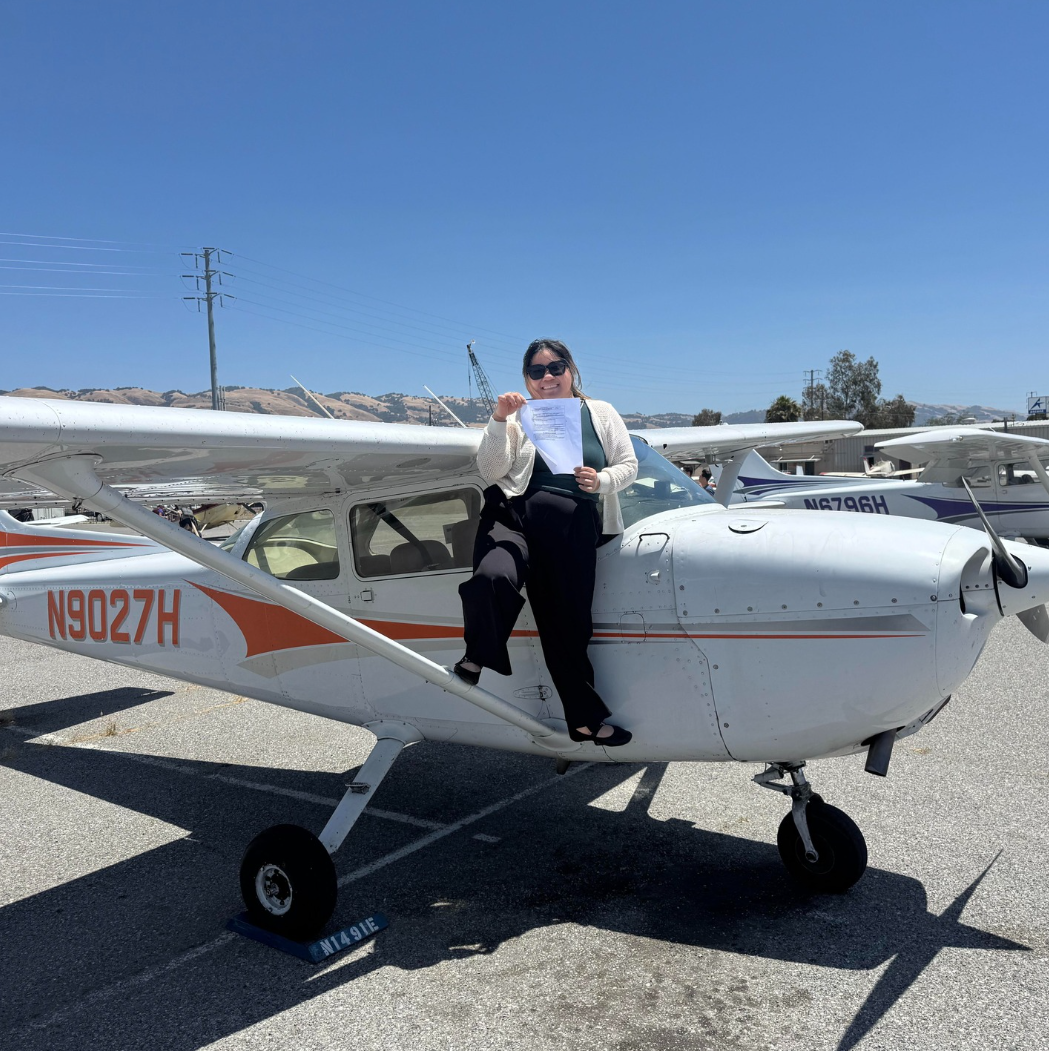
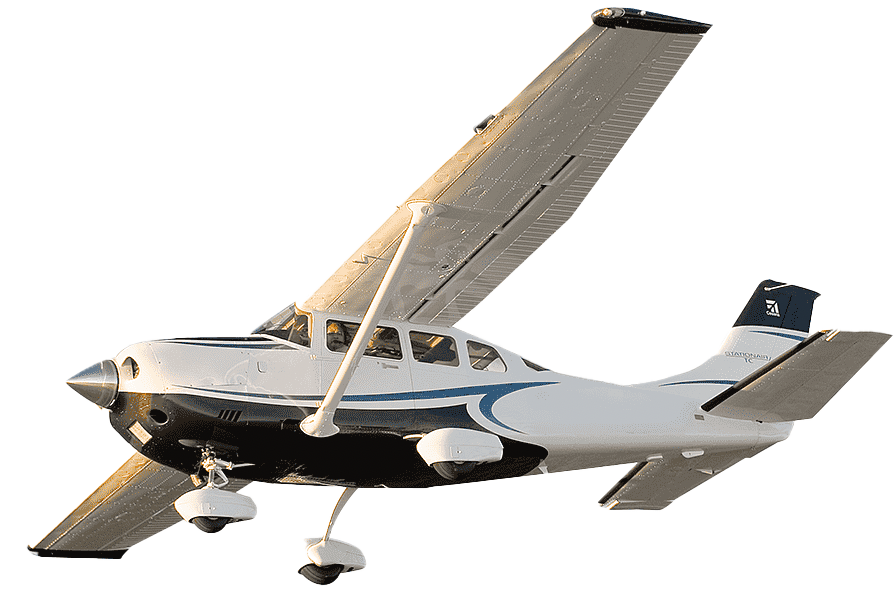
We generally use the Citabria 7ECA, Cessna 172, or Cessna 150 airplanes for Private Pilot flight training, but we tailor our training to your needs.
Chat with our office today about Part 61 or Part 141 flight training options!
Getting started
ᯓ ✈︎
Getting started ᯓ ✈︎
Learn what it takes to become a private pilot
-
At least 17 years of age
Student pilot certficate
Third class medical certificate
FAA Private Pilot Knowledge Test (passing grade is 70%)
FAA practical test (aka “checkride”)
Flight training as listed in Flight Hour Requirements (below)
The FAA minimum flight hours is 40 hours of flight time. The national average is 65-85 hours.
Total flight hours in our private pilot syllabus: 77 hours including approximately 55 hours dual and 12 hours solo. You can shorten this considerably with ground lessons, home study, and flying more frequently.
We take pride in the quality of our instruction and that we have been in business of flight training for over 60 years. We do not train just to pass the test; we train you to be a proficient, skilled and safe pilot.
-
Dual flight training minimum in any aircraft for at least 20 hrs including:
3 hrs dual *cross country in a single engine airplane
3 hrs dual *night time in a single engine airplane
Including one dual cross country night flight over 100 nm
Including 10 takeoffs and landings at night dual to full stop
3 hrs dual instrument time (hood or actual) in single engine airplane
3 hrs dual checkride prep in a single engine airplane in past 2 calendar months
Solo flight minimum in single engine airplane for 10 hrs including:
5 hrs solo cross country time in single engine airplane
Including one flight over 150 nm total, 3 landing points, and at least one leg over 50 nm
3 solo takeoffs and landings to a full stop at an airport with a working control tower
* Night Time is any flight time between the end of evening civil twilight and the start of morning civil twilight. Easiest place to find these is
* Cross Country flight must include a landing at an airport more than 50 nautical (not statute) miles from the original point of departure. Additional cross country requirements apply – e.g. night XC must be over 100nm total. The long solo XC has to include one leg of over 50 nm, plus be over 150 nm total.
-
On average, our course costs between $16,500 to $21,000 to complete.
Estimated flight instruction cost based on our private pilot course of 77 hours (includes airplane rental and dual instruction) = approximately $14,000 plus an additional cost for ground lessons which average $2,500 for 40 hours of one-on-one ground instruction (hour amount varies from student to student).
Ground lessons are required to be ready for each stage check and the checkride. The oral portion of the checkride is longer than the flight portion, so knowledge is vital to becoming a competent pilot.
Many students prefer to go more in-depth in their training or can’t fly as regularly. This can lead to a need for higher training time. Approximately 100 hours of flight time may have an average cost of $21,000. We also have students who complete their training in 50 or 60 hours for an average cost of $12,000. Bottom line…a lot of it is up to you!
-
You can train in either a tricycle-gear airplane, such as the Cessna 172, or you can earn your license in a tailwheel aircraft, like the Citabria 7ECA. Please see our aircraft for details.
-
What are Stage Checks?
As you near the completion of each stage, your instructor will ask the office to schedule the Stage Check with a senior instructor.
The primary goals of stage checks are to verify you are ready for the next phase of training, provide detailed feedback on areas that need more attention, and make you comfortable flying with a different person observing you in preparation for the checkride, which is the final flight test for earning your Private Pilot certificate.
BLOCK PRICING: Block rates are only available at Reid-Hillview and only to members in good standing. Membership is $50 per month. Members who maintain a positive balance on their account will earn 10% credit for check or cash payments (7% for credit cards) of $500 or more. Block prices assume 10% credit has been earned. Block pricing applies to aircraft and instructor rates only and cannot be combined with any other offer. All rentals are subject to the latest Aerodynamic Aviation / Amelia Reid Aviation, LLC, Renter’s Agreement. Negative accounts must be paid in full before block rate will be applied. Block payments are not refundable.
Prices and rates are subject to change without notice. All training and rentals are subject to the terms and conditions in the Renter's Agreement. Minimum 24 hours' notice required for cancellation or you may be charged for the rental time.
Stages of Training
Our syllabus is organized into 3 stages. You must complete each stage and associated stage check before moving on to the next stage. They are as follows:
1
You will learn all airplane flight maneuvers to develop precise aircraft control in preparation for traffic pattern work.
2
You will learn to operate in the airport environment with emphasis on communications, takeoffs, landings, abnormalities, and emergencies.
3
You will first solo, then continue learning how to fly to other airports, complete all checkride requirements and ACS Tasks.
We have our own Syllabus & Maneuvers Guide for Private Pilot flight training, both Cessna and Citabria versions. This allows us to streamline your training based on our years of experience in the industry. Both of these documents should be purchased once you begin flight training, and they can be found at any of our locations.